Wawa, a name synonymous with fresh coffee, built-to-order hoagies, and surcharge-free ATMs, is more than just a convenience store chain; it’s a cultural phenomenon, particularly along the East Coast of the United States. For millions, the flying goose logo signifies a reliable haven for quality food, friendly service, and a consistent, welcoming experience. But this modern-day retail giant has a rich and storied history that predates the automobile and the very concept of a convenience store. Its journey from a rural iron foundry to a beloved billion-dollar brand is a compelling American success story, rooted in a commitment to quality, innovation, and community. This digital asset explores the complete, multifaceted history of Wawa, tracing its transformation from a family-run dairy farm into an industry-leading convenience store empire.
The Pre-Wawa Era: The Wood Family and the Millville Manufacturing Company
The seeds of the Wawa empire were planted long before the first convenience store opened its doors. The story begins with George Wood, a successful entrepreneur from New Jersey who, in the 19th century, owned the Millville Manufacturing Company. This textile business was a significant enterprise, but Wood’s interests extended into dairy farming, a move that would lay the crucial groundwork for the future of Wawa.
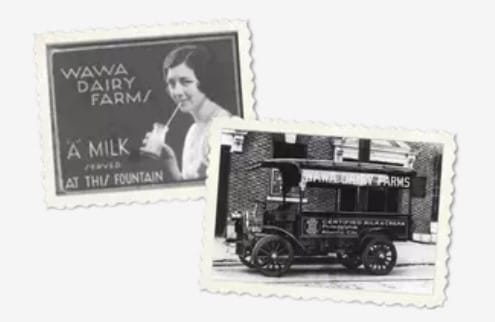
In 1902, Wood established a small dairy processing plant in the rolling hills of Wawa, Pennsylvania. The location itself was significant. The name “Wawa” is derived from the Ojibwe word for the Canada Goose, which was prevalent in the area. This name, and its accompanying goose logo, would become one of the most recognizable brand symbols in the region. Wood’s dairy was founded on a principle of quality and safety at a time when pasteurization was not yet mandated by law. He ensured his milk was “Certified,” a process in which doctors verified the product was sanitary and safe for consumption, building a foundation of trust with customers from the outset.
From Doorsteps to Decline: The Rise and Fall of Milk Delivery
For decades, the Wawa Dairy Farm thrived on a home-delivery model. A fleet of iconic milk trucks became a familiar sight, delivering fresh, doctor-certified milk directly to customers’ doorsteps. This business was prosperous through the first half of the 20th century. However, by the mid-1960s, the cultural and economic landscape of America was shifting dramatically. The rise of supermarkets and the increasing affordability of refrigerators meant that consumers no longer needed daily milk deliveries. They could now buy milk in larger quantities and store it for longer, making the home-delivery model increasingly obsolete.
Faced with a declining business, George Wood’s grandson, Grahame Wood, recognized the need for a radical change. Instead of shuttering the family business, he saw an opportunity to pivot and adapt to the changing consumer habits. This critical decision marked the end of one chapter and the dawn of a new, revolutionary era for the Wawa brand.
The Birth of a Convenience Giant: The First Wawa Food Market
Grahame Wood’s vision was to create a new outlet for the dairy’s high-quality products. He decided to open a retail store where customers could purchase Wawa milk and other dairy items directly. This was not just about selling excess inventory; it was about creating a new shopping experience, one centered on convenience.
On April 16, 1964, the very first Wawa Food Market opened its doors in Folsom, Pennsylvania. This inaugural store, located in Delaware County, was an immediate success. It offered customers the trusted Wawa dairy products they knew and loved, alongside a growing selection of other grocery staples. The store’s success provided a clear blueprint for the future. The company realized it had tapped into a powerful consumer need for quick, convenient, and high-quality food options.
This marked the company’s official transition from a dairy processing business to a retail food market. The core principles of quality, freshness, and customer trust that defined the Wawa Dairy Farm were carried directly into this new venture, forming the unshakable foundation of the brand’s identity.
Building an Empire: Expansion and Innovation (1970s – 1990s)
The success of the first store sparked a period of rapid and strategic expansion. Throughout the late 1960s and 1970s, Wawa stores proliferated across Pennsylvania and into neighboring states. The company’s growth was fueled by a keen understanding of its customers’ evolving needs and a relentless commitment to innovation.
The Coffee and Hoagie Revolution
Two key product introductions in the 1970s would forever change the trajectory of Wawa and solidify its place in the hearts of its customers: coffee and built-to-order hoagies.
- A Coffee Destination: Wawa began offering freshly brewed coffee, transforming its stores from simple markets into daily morning-ritual destinations for commuters and locals alike. Its focus on providing a consistently high-quality cup of coffee at a fair price created immense brand loyalty.
- The Built-to-Order Hoagie: The introduction of the deli counter, where customers could order sandwiches made to their exact specifications, was a game-changer. By using high-quality lunch meats and fresh bread, Wawa’s hoagie became an iconic menu item, further distinguishing the brand from typical convenience-store fare.
Technological and Service Innovations
Wawa’s commitment to convenience extended beyond its product offerings. The company was an early adopter of technologies and services that streamlined the customer experience.
- In-Store ATMs: In the 1980s, Wawa became a pioneer in offering banking services by installing ATMs in its stores. By the mid-1990s, the company made the landmark decision to make these ATMs surcharge-free for customers, a move that generated enormous goodwill and drove significant foot traffic.
- Computerized Touch-Screen Ordering: In the 1990s, Wawa revolutionized its food service with the introduction of touch-screen ordering for hoagies and other deli items. This innovation significantly improved order accuracy, increased service speed, and enabled greater customization, setting a new industry standard.
By the end of the 20th century, Wawa had firmly established its identity. It was no longer just a place to buy milk and bread; it was a one-stop shop for coffee, food, fuel, and financial services, all delivered with a focus on quality and efficiency.
The Modern Era: Superstores, Florida, and Enduring Culture
The 21st century has seen Wawa continue its trajectory of growth and innovation, adapting to new market demands while staying true to its core values. A significant development has been the shift towards larger store formats that include gasoline services. These “superstores” combine the classic Wawa convenience offerings with a multi-pump gas station, creating an all-in-one destination for travelers and commuters.
Expansion Beyond the Mid-Atlantic
For decades, Wawa was a beloved regional brand, with its footprint concentrated in Pennsylvania, New Jersey, Delaware, Maryland, and Virginia. In 2012, the company embarked on its most ambitious expansion yet, opening its first store in Orlando, Florida. The move was a calculated risk that took the brand far from its home base. However, Wawa’s culture and reputation for quality resonated strongly with Floridians. The expansion has been a resounding success, with hundreds of stores now operating throughout the Sunshine State, with further plans to expand into other southern states.
A Culture of Employee Ownership and Customer Service
One of the cornerstones of Wawa’s enduring success is its unique corporate culture. In the 1990s, the company established an Employee Stock Ownership Plan (ESOP), making employees part-owners of the business. This has fostered a deep sense of pride and accountability among its workforce, which directly translates into the famously friendly and efficient customer service Wawa is known for. The company’s commitment to its employees is a key driver of its commitment to its customers.
The Wawa Legacy: More Than a Convenience Store
From a small dairy farm in rural Pennsylvania to a multi-state, multi-billion-dollar corporation, the history of Wawa is a testament to the power of adaptation, innovation, and an unwavering commitment to quality. The company has navigated over a century of change by understanding and anticipating customer needs, transforming from a milk delivery service into a comprehensive food, fuel, and convenience destination.
The success over the years has been achieved by focusing on customer feedback and improving the experience. Take mywawavisit survey and win free Hoagies for a year.
The brand’s success is not just about selling coffee and sandwiches. It’s about building a trusted relationship with the communities it serves. The story of Wawa is that of a family business, rooted in the simple principle of providing a safe, high-quality product, that grew into a beloved institution and a benchmark for the entire convenience retail industry.
- The Best and Worst Times to Go to Wawa (According to Employees)
- The Ultimate Ranking of Wawa Hoagies: From Best to Worst
- A Deep Dive into Wawa’s Coffee: Is It Really That Good?
- An Ex-Wawa Employee’s Guide to Ordering Hacks
- Myth-Busting: Does Negative Feedback in the Wawa Survey Actually Change Anything?
- Case Study: How We Used Wawa Rewards to Save $100 on Gas and Food in a Month
- An Honest Review of the Wawa Mobile App: Rewards, Fuel Savings, and Common Glitches
- From Dairy Farm to Convenience Store Empire: How Wawa Rises to an Empire
- Wawa vs. Sheetz: A Deep Dive into the Food, Coffee, and Culture of Two C-Store Giants
- Maximizing Your Wawa Rewards: A Complete Guide to Earning and Redeeming Points
- Wawa vs. Sheetz vs. Speedway vs. BPme: Which Program Saves You More Money?
- Wawa Catering Review: Is It Worth It for Your Next Office Party?
- Wawa Rewards Program vs.Wawa Sweepstakes Program
- I Won the Wawa Survey Sweepstakes! (A Winner’s Story)