Wawa, a name synonymous with convenience and a cult-like following on the East Coast, is as much a coffee destination as it is a gas station or a go-to for hoagies. For millions, the day doesn’t officially start until they’ve made their MyWawaVisit for a cup of its signature coffee. The self-serve carafes are a beacon for commuters, students, and anyone in need of a quick, affordable caffeine fix. But beyond the convenience and low price point, a crucial question remains: Is Wawa’s coffee genuinely good?
This deep dive moves beyond anecdotal praise to provide a comprehensive analysis of what’s really inside that iconic cup. We will dissect the entire process, from the origin of the beans to the final brewed product. By examining the quality, consistency, and overall value proposition, we aim to provide the definitive answer. This exploration also touches upon how customer feedback, often gathered through the Wawa survey, shapes the coffee program that so many have come to rely on.
The Foundation: What Kind of Coffee Beans Does Wawa Use?
The quality of any cup of coffee begins with the bean. Wawa’s coffee is brewed from 100% Arabica beans, which are generally considered superior to their Robusta counterparts due to their complex flavor profiles and aromatic qualities. This choice immediately places Wawa in a category of quality-conscious coffee providers, on par with many specialty coffee shops.
While Wawa doesn’t publicize the specific single-origin locations of all its beans, it is known to source them from regions in Central and South America. This sourcing strategy is common among large-scale coffee programs aiming for a consistent, balanced flavor profile that appeals to a broad audience.
Furthermore, Wawa has made significant strides in sustainable and ethical sourcing. A notable portion of its coffee portfolio includes Rainforest Alliance Certified beans. This certification indicates that the beans are sourced from farms that adhere to strict standards for environmental protection, social equity, and economic viability. This commitment to sustainability adds a layer of value and trust for the conscientious consumer.
The Brewing Process: Consistency is Key
Having high-quality beans is only half the battle; the brewing method is equally critical. Wawa’s success lies in its meticulous focus on consistency across its vast network of over 900 stores. The coffee is brewed fresh throughout the day, a promise that regular customers can attest to. You rarely encounter a stale or burnt pot of coffee at Wawa, which is a significant operational achievement.
Wawa uses high-grade commercial drip brewing machines designed to maintain precise water temperature and brew times. This ensures that every pot is extracted optimally, highlighting the natural flavors of the Arabica beans without introducing bitterness. The company has a rigorous brewing schedule, with designated “brew-by” times clearly marked, ensuring a fresh pot is always available. This operational excellence is a direct result of extensive research and likely influenced by years of customer feedback aimed at improving the in-store experience.
A Look at the Core Coffee Varieties
Wawa’s coffee program is built on a foundation of several core blends, each designed to cater to different taste preferences.
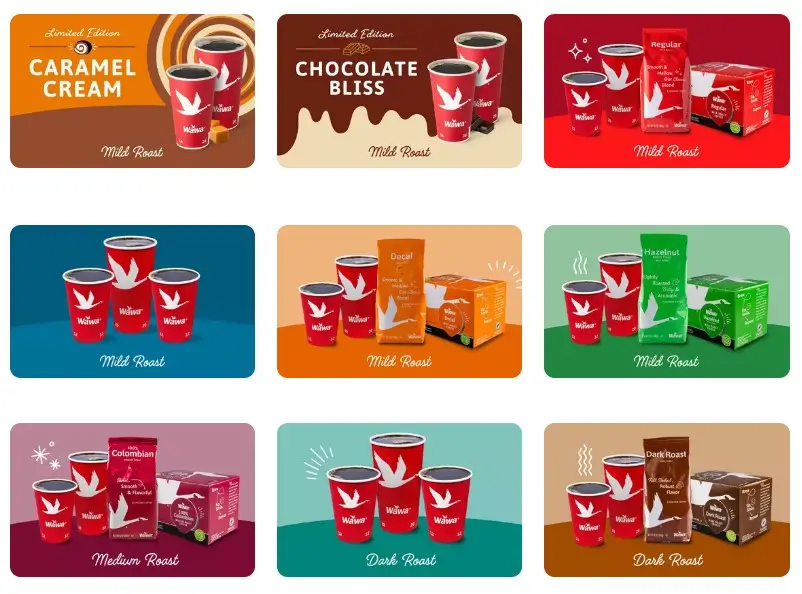
- Regular: A medium roast that serves as the flagship offering. It’s known for being a well-balanced, smooth, and mild cup that is approachable for all coffee drinkers. It features a pleasant aroma and lacks the acidity or bitterness found in some lesser-quality brews.
- Dark Roast: For those who prefer a bolder, more intense flavor. Wawa’s Dark Roast offers a deeper, smokier taste with notes of cocoa and a robust finish. It provides a richer experience without being overly burnt or harsh.
- 100% Colombian: A single-origin option that is consistently popular. It is a medium-bodied coffee known for its rich flavor and a crisp, nutty finish. This blend is a reliable choice for those who appreciate a classic, no-frills cup of coffee.
- Decaf: Wawa offers a decaffeinated version of its regular blend, processed using the Swiss Water Process. This is a chemical-free decaffeination method that helps preserve the coffee’s original flavor profile, making it a superior choice compared to many other decaf options on the market.
The Allure of Seasonal and Limited-Time Flavors
One of the most significant draws of Wawa’s coffee program is its rotating selection of seasonal and flavored coffees. These offerings create excitement and give customers a reason to keep coming back.
Seasonal Favorites
Throughout the year, Wawa introduces blends that capture the essence of the season. The Pumpkin Spice in the fall and the Holiday Blend during the winter are immensely popular. These aren’t just artificially flavored coffees; they are often distinct roasts blended with spices to create a unique and anticipated taste experience. For example, the Holiday Blend frequently features a mix of cinnamon and nutmeg notes, providing a festive flavor that resonates with the season.
Flavored Coffee Selection
Beyond seasonal offerings, Wawa maintains a selection of year-round flavored coffees, such as Hazelnut and French Vanilla. These options provide a consistent alternative for those who enjoy a sweeter, more aromatic brew without adding flavored syrups. This variety ensures that there is a choice for nearly every palate, a key factor in its broad appeal.
The Price-to-Value Proposition: Where Wawa Excels
Perhaps the most compelling aspect of Wawa’s coffee is its exceptional value. In a market where a cup of coffee from a specialty shop can easily exceed four or five dollars, Wawa offers a high-quality product for a fraction of the cost. This affordability is a major driver of its popularity and customer loyalty.
The self-serve model is a key component of this value proposition. It improves operational efficiency, reducing labor costs and passing those savings directly to the customer. Customers can customize their coffee to their liking at the coffee bar, with a wide array of creamers, sweeteners, and spices. This level of customization, combined with the low price, creates an experience that is hard to beat. Participating in the My Wawa Visit survey after a purchase can sometimes lead to entry into sweepstakes or other rewards, further enhancing the overall value. Feedback from the mywawavisit.com portal helps the company refine its offerings to match customer expectations better and improve the customer experience.
How Does Wawa Coffee Compare to Competitors?
To honestly assess the quality of Wawa’s coffee, it’s essential to compare it to other major players in the convenience and coffee markets.
Wawa vs. Starbucks
Starbucks is a global coffeehouse giant known for its premium, barista-crafted beverages and dark roast profile. While Starbucks offers a more extensive menu of espresso-based drinks, its brewed coffee is often criticized for a bitter or “burnt” taste due to its dark roast. Wawa’s regular coffee is smoother and more balanced, appealing to a broader range of palates. Furthermore, the price difference is substantial, with Wawa being significantly more affordable.
Wawa vs. Dunkin’
Dunkin’ is a more direct competitor, with a similar focus on speed and convenience. Dunkin’s coffee is also highly regarded and has a loyal following. The flavor profiles are somewhat different; Dunkin’s original blend is known for its distinct, slightly brighter flavor. The choice between Wawa and Dunkin’ often comes down to personal preference. However, many argue that Wawa’s broader selection of roasts and its commitment to 100% Arabica beans give it a slight edge in overall quality.
Wawa vs. Other Convenience Stores
When compared to other gas stations or convenience stores, Wawa is in a league of its own. Many competitors use lower-grade Robusta beans or pre-ground coffee that sits for extended periods. Wawa’s dedication to fresh-brewed, 100% Arabica coffee sets a much higher standard, immediately noticeable in the taste and aroma.
The Final Verdict: So, Is Wawa Coffee Good?
After a thorough examination of the beans, brewing process, variety, and value, the answer is an unequivocal yes. Wawa’s coffee is not just good for a convenience store; it is a genuinely high-quality product that can stand proudly against many dedicated coffee shops.
The company has successfully found the perfect balance between quality, convenience, and affordability. By using 100% Arabica beans, maintaining rigorous brewing standards, and offering a wide variety of choices, Wawa has cultivated a coffee program that delivers exceptional value. The constant innovation with seasonal blends and the attentiveness to customer satisfaction, encouraged through programs like the Wawa survey, demonstrate a commitment to excellence.
While it may not satisfy the most discerning coffee connoisseur seeking a rare single-origin pour-over, that isn’t its goal. Wawa aims to provide a consistently fresh, delicious, and customizable cup of coffee for the everyday person on the go. In that mission, it has resoundingly succeeded, cementing its status as a beloved institution and a proper coffee destination.
- The Best and Worst Times to Go to Wawa (According to Employees)
- The Ultimate Ranking of Wawa Hoagies: From Best to Worst
- A Deep Dive into Wawa’s Coffee: Is It Really That Good?
- An Ex-Wawa Employee’s Guide to Ordering Hacks
- Myth-Busting: Does Negative Feedback in the Wawa Survey Actually Change Anything?
- Case Study: How We Used Wawa Rewards to Save $100 on Gas and Food in a Month
- An Honest Review of the Wawa Mobile App: Rewards, Fuel Savings, and Common Glitches
- From Dairy Farm to Convenience Store Empire: How Wawa Rises to an Empire
- Wawa vs. Sheetz: A Deep Dive into the Food, Coffee, and Culture of Two C-Store Giants
- Maximizing Your Wawa Rewards: A Complete Guide to Earning and Redeeming Points
- Wawa vs. Sheetz vs. Speedway vs. BPme: Which Program Saves You More Money?
- Wawa Catering Review: Is It Worth It for Your Next Office Party?
- Wawa Rewards Program vs.Wawa Sweepstakes Program
- I Won the Wawa Survey Sweepstakes! (A Winner’s Story)